The Trulli Tax Myth: Did Puglia’s Stone Houses Really Outsmart the King?
There is a moment in Stanley Tucci: Searching for Italy where the story of Puglia’s trulli is told with irresistible charm: humble stone dwellings, built without mortar, designed so cleverly that they could be dismantled overnight to evade the tax authorities of the Kingdom of Naples.
It’s cinematic.
It’s memorable.
And like many Italian stories, it lives somewhere between truth and legend.
But for the traveler arriving today in the sun-drenched countryside of the Valle d’Itria, the real story of the trulli is even more compelling—because it is not about evasion, but about endurance, ingenuity, and beauty shaped by necessity.
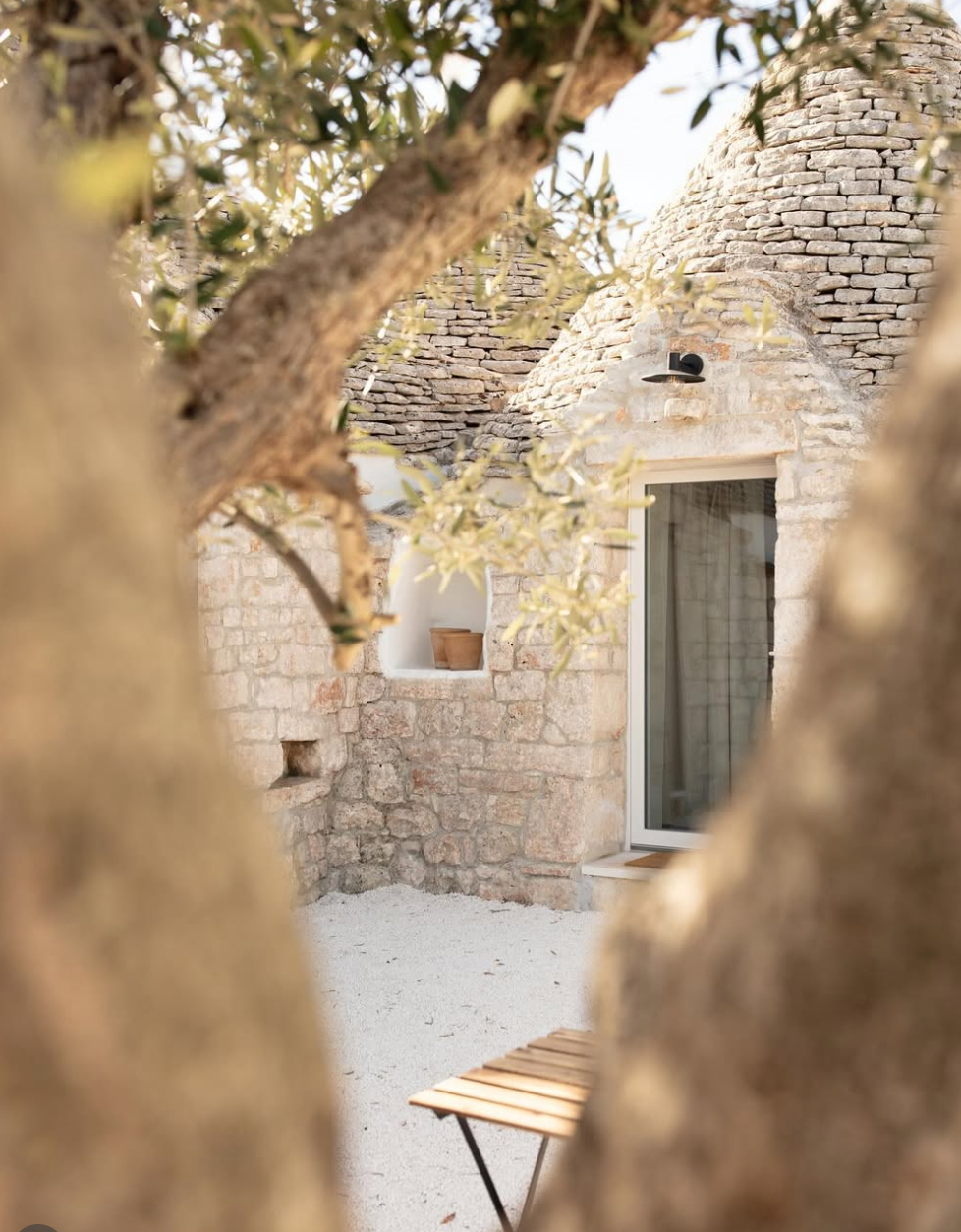
A typical trullo
A Landscape Shaped by Stone
Scattered across the rolling hills around Alberobello, the trulli rise from the earth almost organically—whitewashed walls, conical roofs, and hand-laid limestone that has weathered centuries.
These structures are built using dry-stone techniques, a method as ancient as it is sophisticated. Without mortar, each stone is carefully placed, relying on balance and craftsmanship rather than binding materials. The result is architecture that feels both elemental and enduring.
For today’s visitor, this translates into something rare: spaces that breathe with the landscape, naturally cool in summer, deeply quiet, and intimately connected to their surroundings.
The Legend of Outsmarting the Taxman
The popular tale suggests that trulli were designed to be temporary—easily dismantled to avoid taxation or royal oversight.
Historically, there is some context behind this:
The area was once controlled by the noble Acquaviva d'Aragona family
Settlements required authorization, and informal building may have allowed landowners to avoid scrutiny
But the idea of entire homes being routinely taken apart overnight is, in all likelihood, more folklore than fact.
What matters more is what the story represents: a culture of adaptability and quiet independence, where architecture responded not only to landscape, but to systems of power.
From Rural Shelter to Refined Retreat
Originally, many trulli served as agricultural shelters or modest homes for rural families. Today, they have undergone a remarkable transformation.
Carefully restored trulli now offer some of the most distinctive stays in southern Italy—where:
Rough stone walls meet thoughtfully curated interiors
Minimalist design highlights the geometry of the domes
Outdoor spaces open onto olive groves and vineyards
Time slows, almost imperceptibly
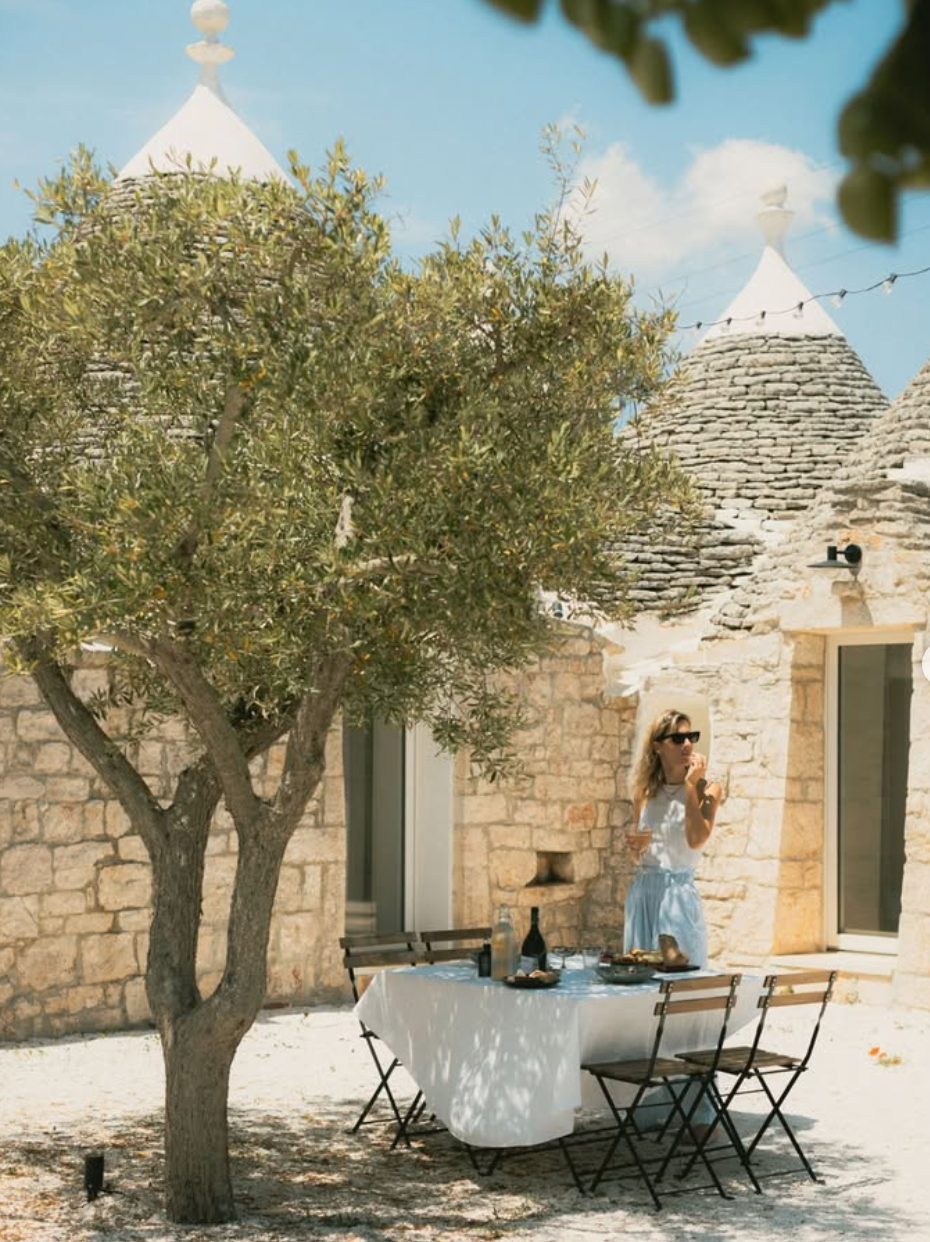
Beautiful trullo @trullosisto
Luxury here is not about excess. It is about authenticity, texture, and atmosphere.
To stay in a trullo is to experience a form of hospitality that feels both deeply local and quietly elevated—where history is not displayed, but lived within.
A Few Notes for the Curious Traveler
For those inspired to explore Puglia beyond the postcard, a few gentle suggestions can transform a beautiful trip into a memorable one:
Look beyond the trulli
While towns like Alberobello are undeniably striking, the quieter countryside reveals a different rhythm. Historic farm estates—masserie—offer a broader sense of space, often surrounded by centuries-old olive groves and open land.
Choose authenticity over spectacle
The most rewarding stays are often those that preserve the original architecture while introducing comfort with restraint. The essence lies in what has been left untouched as much as what has been restored.
Let the landscape set the pace
Puglia is not a place to rush. Mornings stretch into long lunches, afternoons dissolve into shade, and evenings arrive slowly. The true luxury here is time—unstructured and generous.

Minimalistic design @trulloluceri
Follow the material palette.
Stone, lime, wood, linen. The region’s beauty comes from its simplicity. The best spaces echo this natural harmony rather than compete with it.
Stay where life still happens
A restored masseria offers something subtly different from a trullo: not just architecture, but a sense of continuity. These were working estates, and many still carry that spirit—gardens, kitchens, and rhythms rooted in the land.
Closing
And perhaps that is Puglia’s true luxury: not what is added, but what is allowed to re-emerge—slowly, and with intention.